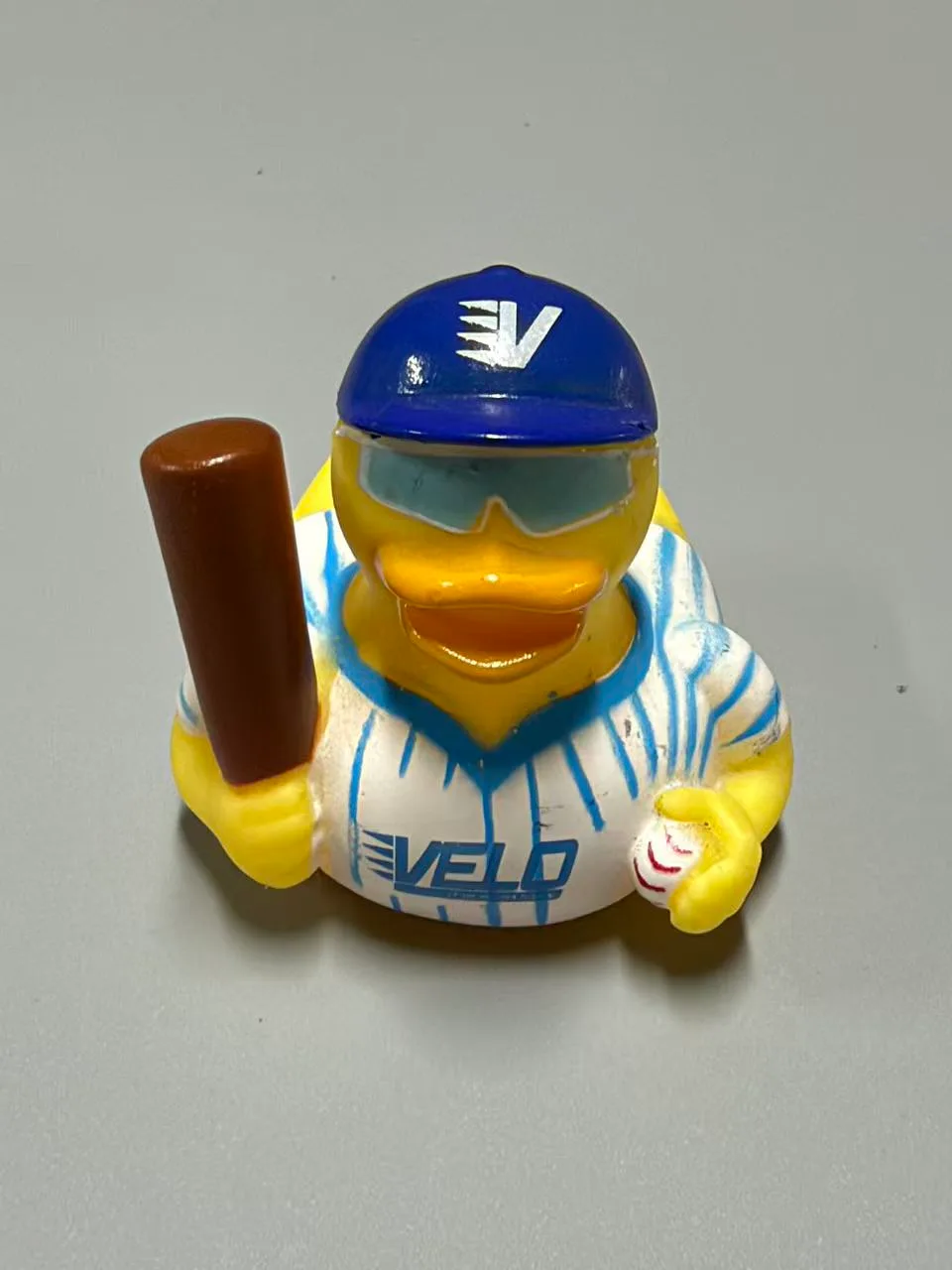
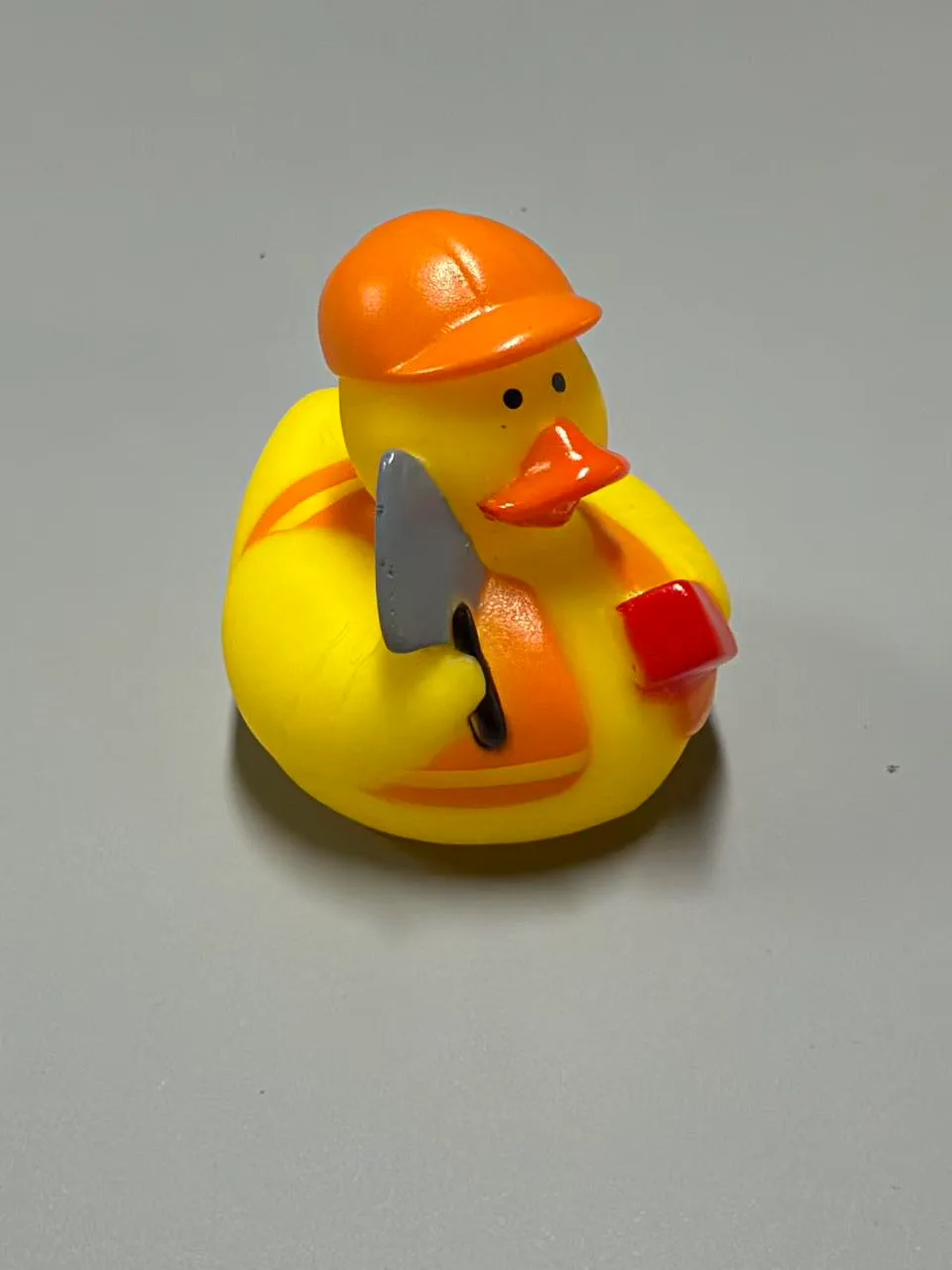
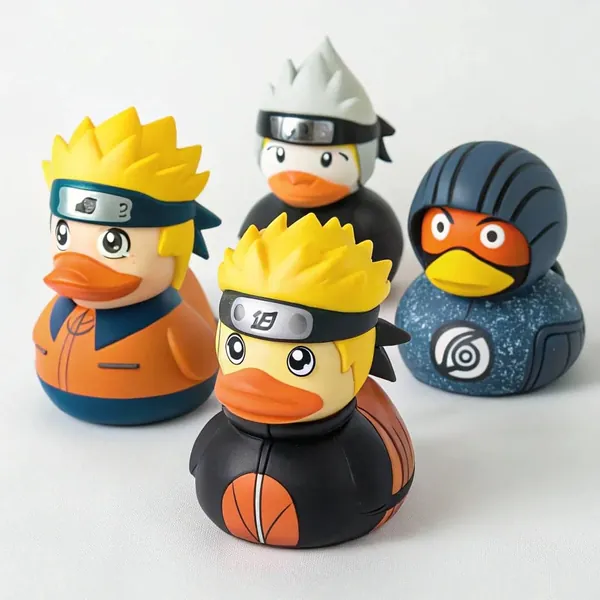
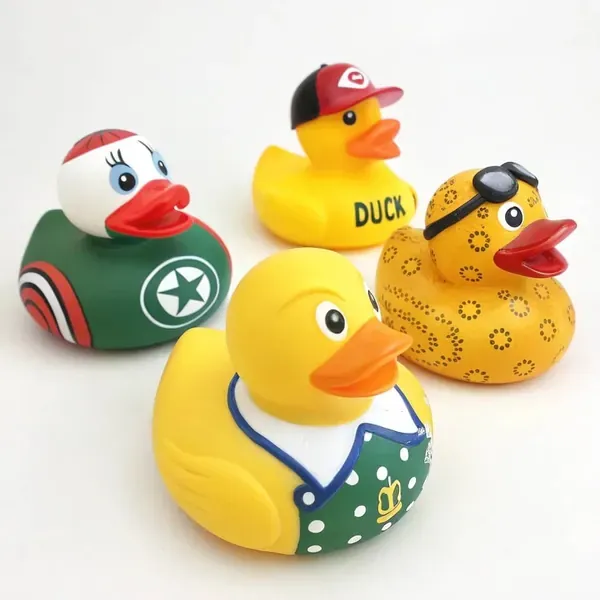
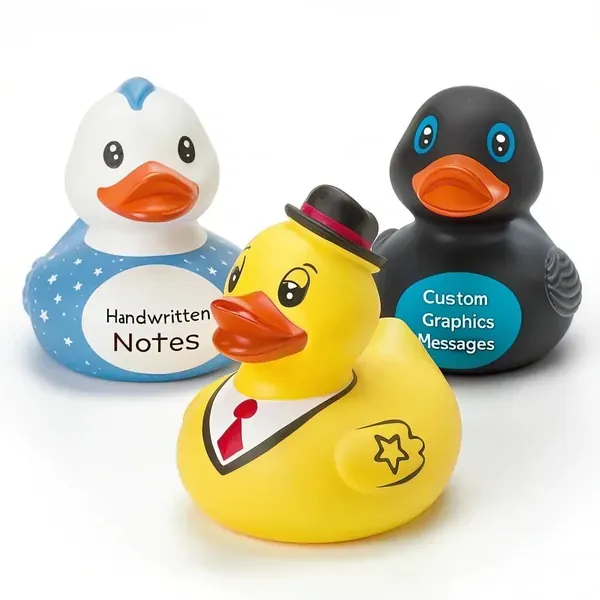
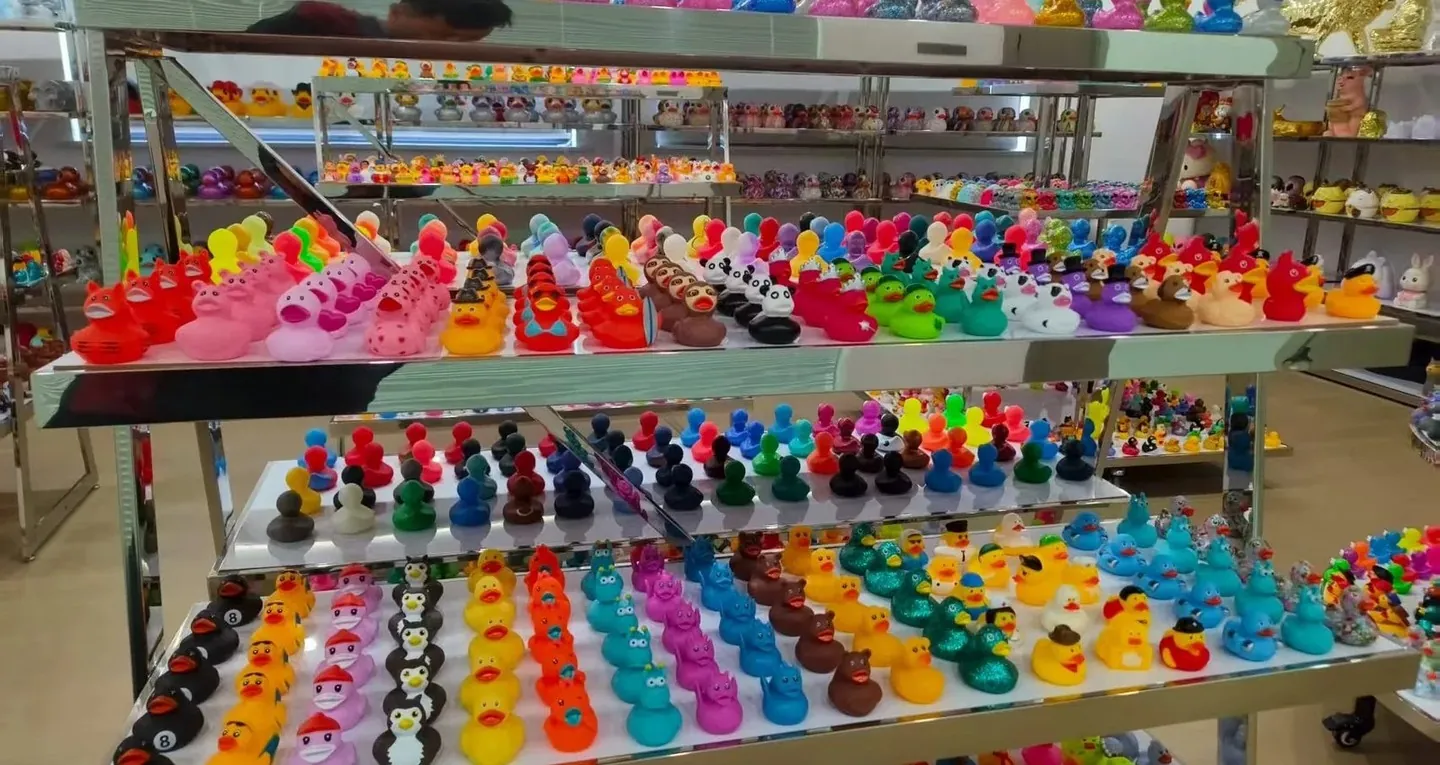
Why do custom rubber ducks with accessories often need a design reality check? When I'm talking with customers about their design renderings, the question that comes up again and again is: can we add this tool, this little prop, this extra part? The answer is yes, but not by treating the duck like a plastic model kit. My rule is simple: design every accessory so it hugs the duck's body and becomes part of the one-piece structure. Skip separate parts and big open cutouts.
The process sets the limit
Custom rubber ducks are made by one-piece pour molding. The duck isn't assembled from separate pieces afterward; it comes out of the mold as a single body. That's great for durability and for that classic rubber duck look, but it means the mold has to fill cleanly and release cleanly. When a design has lots of small, detached accessories or large hollow areas, the material doesn't flow the same way, and the molding becomes less predictable. I've seen enough renderings that look fantastic on screen but would be a headache on the production floor.
What I tell customers about accessory design
When a customer wants a duck holding a wrench, or wearing a tool belt, or with some other unique accessory, I ask them to keep these things in mind:
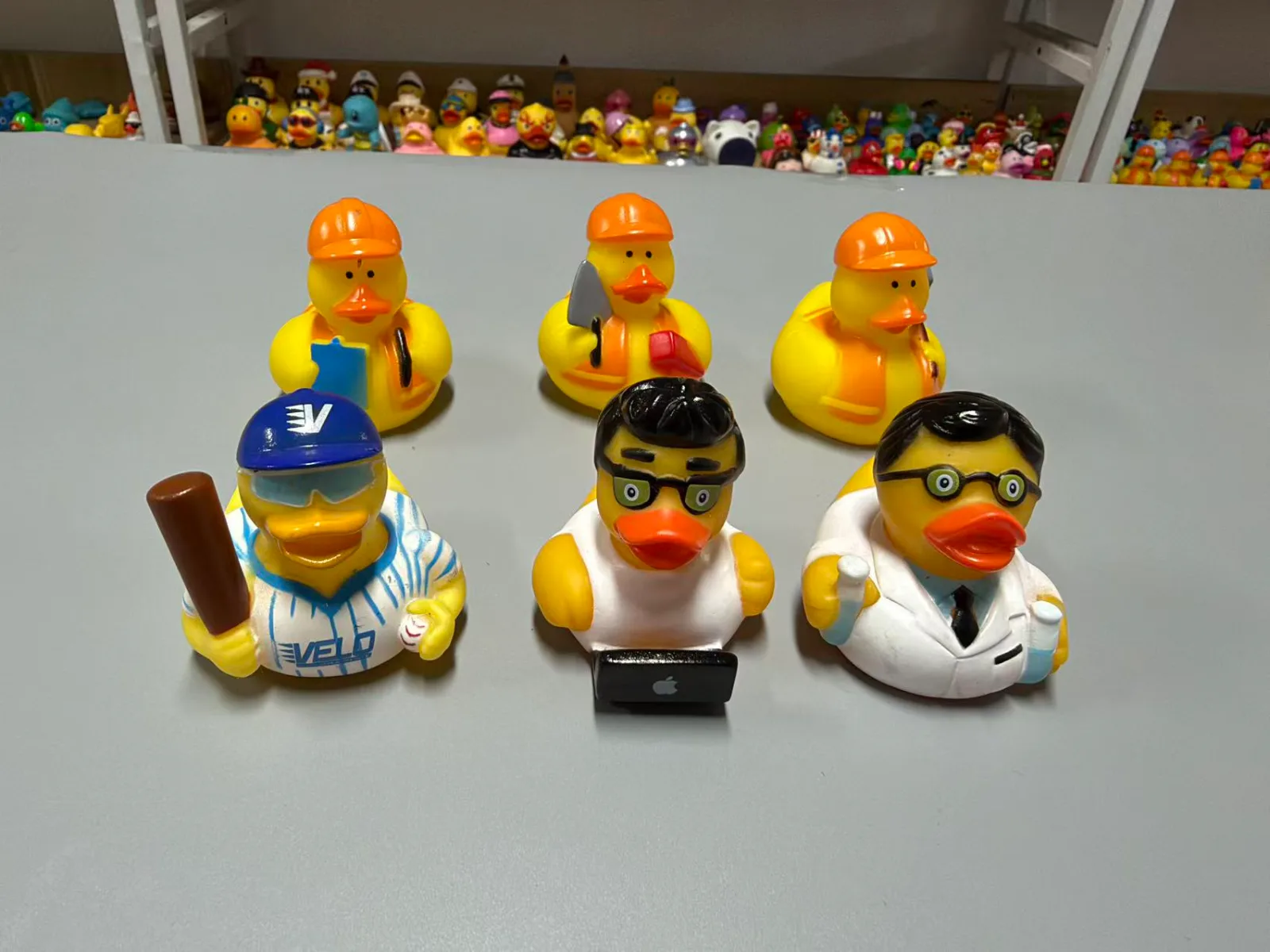
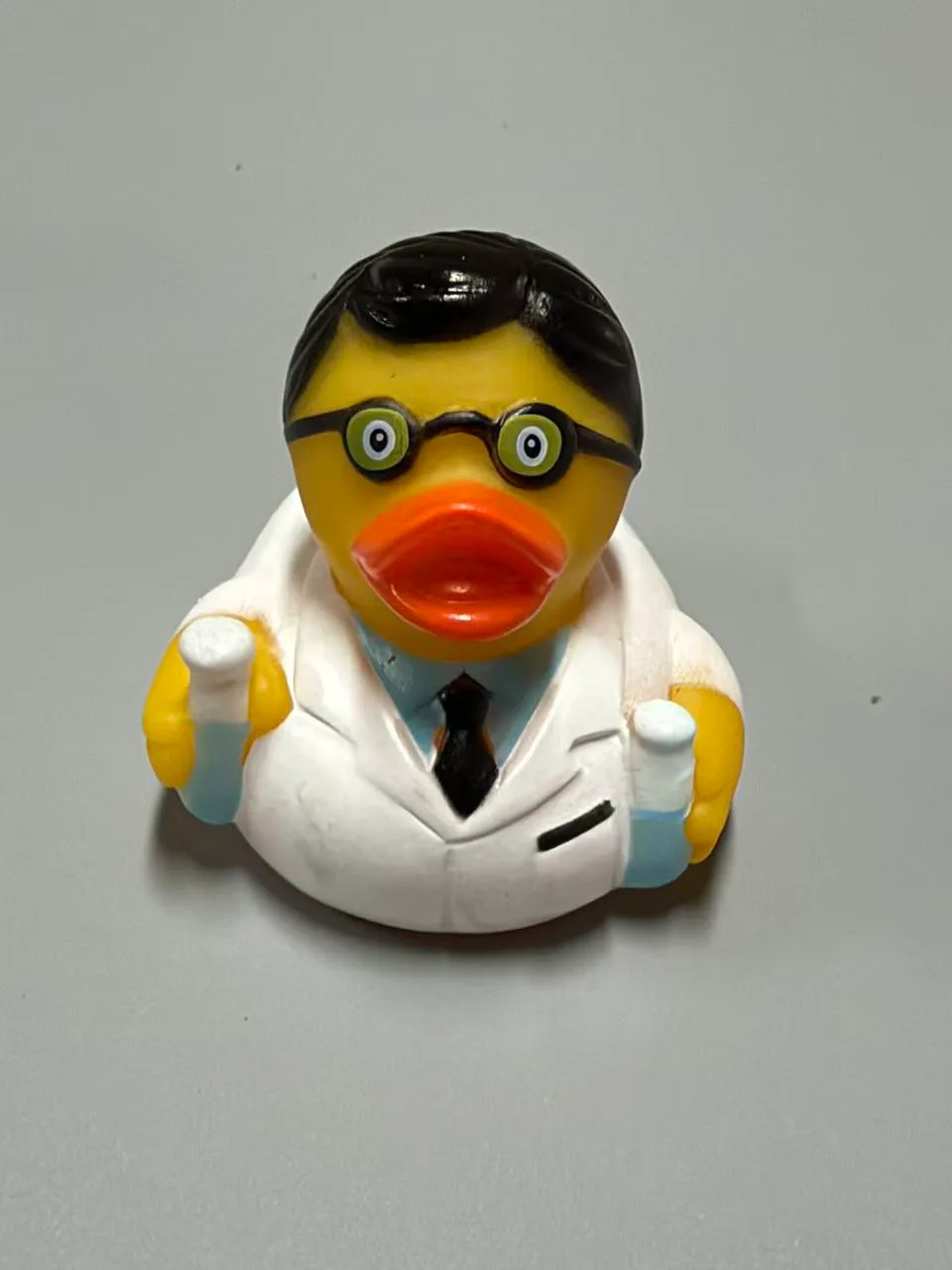
- Keep accessories attached to the body. Instead of a separate tool floating in the duck's hand, sculpt it so it merges into the wing or chest. Think of it as one continuous shape rather than a duck plus a prop.
- Avoid large open cutouts. Big holes or镂空 (openwork) sections weaken the structure and make molding less stable. If you need a hole for a keyring or a string, keep it small and designed for the process.
- Fewer separate parts means fewer failures. Every part that's supposed to be separate is a potential weak point. If it's not firmly part of the main body, it can come loose.
These aren't arbitrary rules; they come from the one-piece molding process itself. Designing within those limits gives you a more stable mold, a higher合格率 (pass rate), and fewer problems with accessories falling off later.
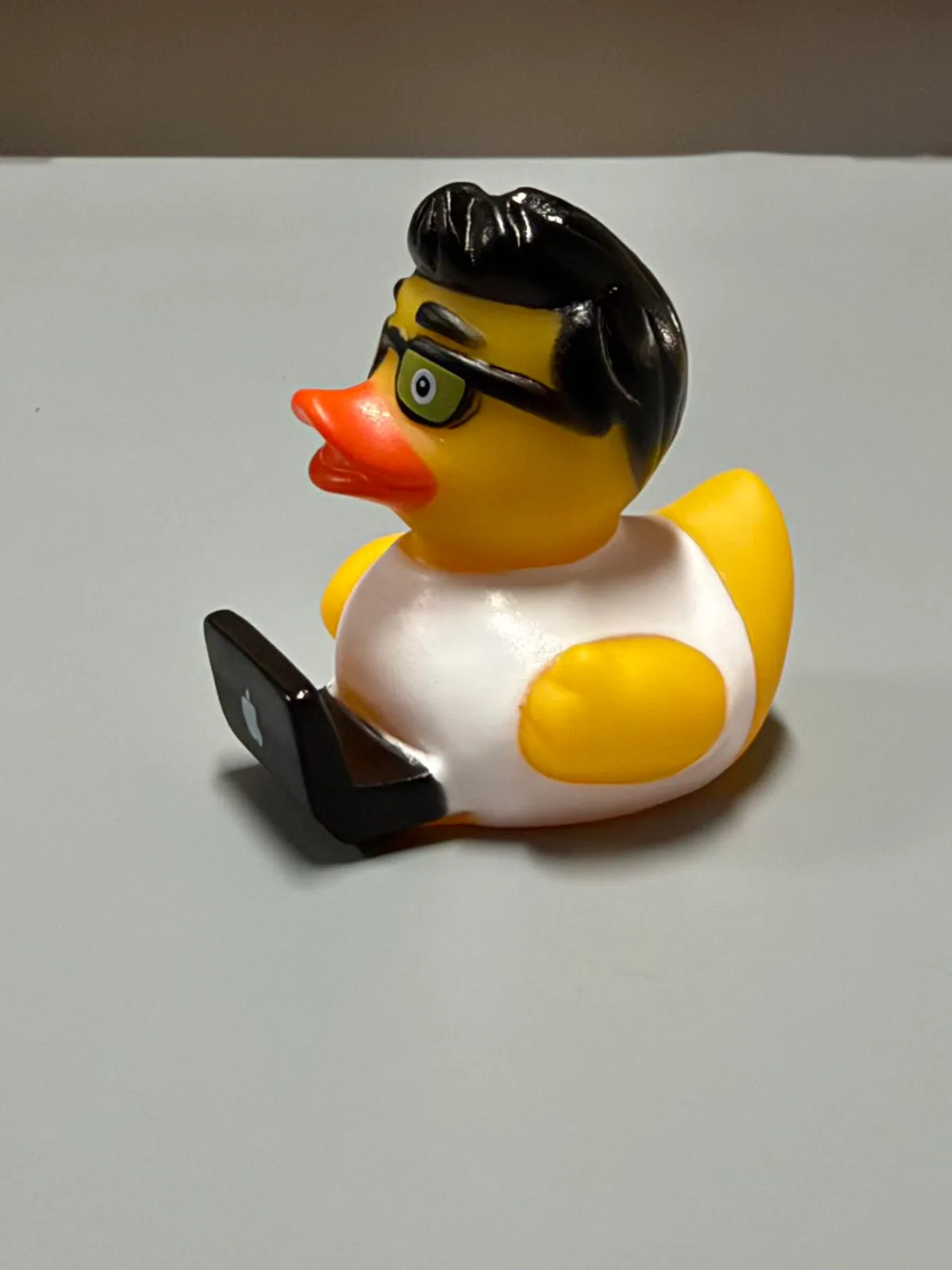
Why this matters for your order
If you're ordering custom rubber ducks in bulk, consistency is everything. A design that ignores the molding constraints can lead to higher defect rates, which affects your timeline and your budget. By adapting the accessories to the duck's body, you're not compromising on creativity—you're making the design production-friendly. The duck still looks unique, but it's built to survive the mold and the shipping box.
What about personalized rubber ducks with logos?
This same thinking applies when you're adding a rubber duck logo or other branding. A printed duck or a custom painted rubber duck can handle fine details, but if the logo is sculpted into the mold, keep it shallow and integrated. Raised or recessed areas should flow with the body shape, not stand out as separate blocks. That's how you get a clean rubber duck logo that reads well and doesn't create weak spots.
The takeaway
So when you're choosing a custom rubber duck supplier or reviewing a design for customized rubber ducks, start by asking: are the accessories designed as part of the one-piece body? If not, expect problems. The best custom rubber ducks with logo or unique props are the ones where the design respects the process. That's how you get a duck that looks great, molds reliably, and holds together when it matters.